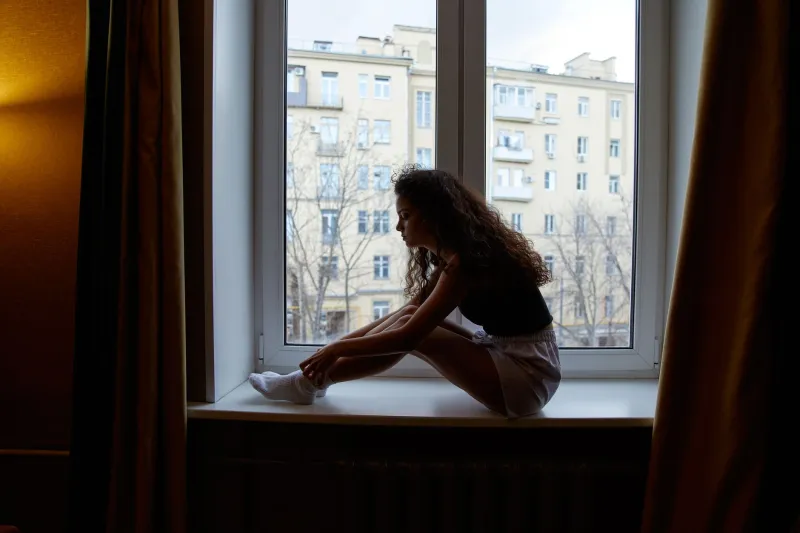
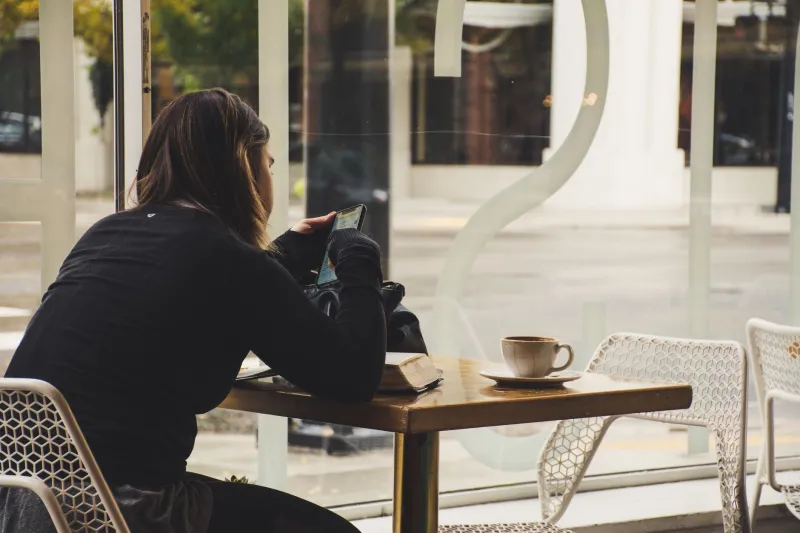
Drop the Filter: Why Real Women Are Done Performing Perfection Online

Let's talk about the exhaustion nobody posts about.
The exhaustion of curating your life for an audience. Of staging the coffee cup just so. Of writing a caption three times because the first two felt too real and the third one felt too fake and honestly, you're not sure anymore where the line even is. Of building a personal brand that looks like you but somehow doesn't quite feel like you.
A lot of women are hitting a wall with the performance of it all. And the interesting thing is — so is the audience.
The Aspirational Grid Is Running Out of Steam
For a solid decade, the dominant social media playbook for women with any kind of public presence was pretty straightforward: polish everything, project confidence, present your best life, and let the aspirational gap between your reality and your followers' do the work. The more curated, the more credible. The more flawless, the more followable.
And it worked. For a while.
But something shifted. Younger audiences — Gen Z especially, but increasingly older millennials too — started developing what you could only call a finely tuned inauthenticity radar. They can spot a performed moment from three scrolls away. They know when a vulnerability post is engineered for engagement. They can tell the difference between someone sharing because they need to and someone sharing because the algorithm rewards it.
The result? Trust has become the new currency online, and trust doesn't respond to polish. It responds to truth.
The Rise of Selective Vulnerability (And Why It's Different From Oversharing)
Here's where it gets nuanced, because the answer isn't just "post more of your mess and watch the followers roll in." That's a different kind of performance — the relatable one, the strategic hot mess aesthetic — and people clock it just as fast.
What's actually resonating right now is something more specific: selective vulnerability. The willingness to share the parts of your story that are genuinely uncomfortable, not because they're on-brand, but because they're true. The admission that the business is harder than you made it look. The acknowledgment that the relationship you presented as goals had a whole chapter you didn't show anyone. The honest take on the industry thing everyone's thinking but nobody's saying out loud.
Creators like Alix Earle broke through not just because she was unfiltered, but because she was specifically unfiltered in ways that felt like something a real friend would say. The bar isn't chaos. The bar is genuine.
The distinction matters: oversharing is indiscriminate. Selective vulnerability is intentional. You're not dumping everything online — you're choosing the real things that actually serve the conversation.
What This Means If You're Building a Platform
If you're a woman trying to grow a presence online right now — whether that's for a business, a creative project, a career pivot, or just because you have something to say — the old playbook is genuinely working against you.
Here's what's actually moving the needle in 2025:
Specificity over aspiration. Vague inspirational content is everywhere. What's rare is someone who goes specific — a real number, a real failure, a real moment that happened on a real Tuesday. Specificity builds trust faster than anything else because it's hard to fake.
Opinions over aesthetics. A beautifully shot post with nothing to say performs worse than an ugly post with a point of view. Women who are willing to take an actual stance — not a manufactured controversy, but a genuine, considered perspective — are building audiences that actually engage rather than just scroll past.
Consistency of voice, not frequency of posting. The algorithm still rewards consistency, but what your audience rewards is something different: the feeling that they know who you are. That your Tuesday post sounds like the same person as your Thursday post. That there's a real human with a real sensibility behind the content, not just a content calendar.
The Business Case for Being Real
I know some of you are reading this and thinking: okay, authenticity sounds great, but I have a brand to build and a business to run. Does this actually convert?
The data says yes — and increasingly loudly. Studies on influencer marketing consistently show that micro-creators with highly engaged, trust-based audiences outperform larger accounts on actual conversion metrics. Audiences who feel like they know you buy from you, recommend you, and stick around when the algorithm stops serving you to new people.
More than that, the women who've built the most durable platforms in the last few years aren't the ones with the prettiest feeds. They're the ones with the clearest voices. The ones who made you feel like you were getting the real version, not the PR version.
That's not a soft, feel-good metric. That's a competitive advantage.
Living Boldly Online Looks Different Than We Thought
I started this site because I believe that living boldly isn't about having everything figured out or presenting a flawless front. It's about showing up honestly in the story you're actually living — not the one you've edited for public consumption.
The women who are doing that online right now? They're not playing it safe. Dropping the performance, saying the real thing, letting people see the version that didn't make the highlight reel — that takes more courage than any perfectly lit selfie ever did.
The filter isn't protecting you. It's just keeping you small.
Drop it. See what happens.